
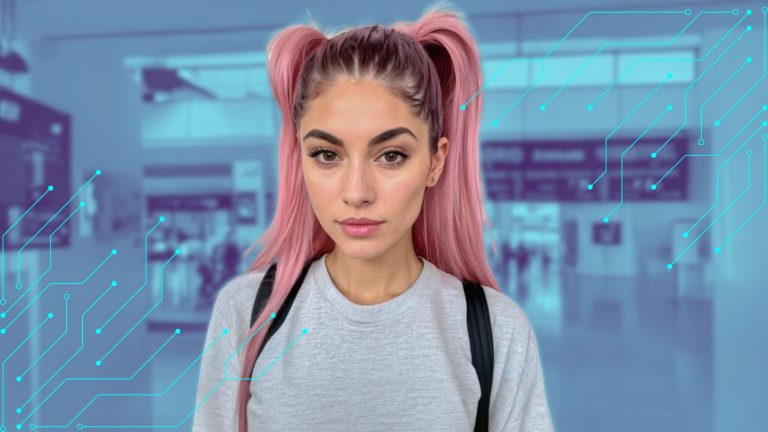
AI influencers aren’t just a novelty. These are computer-generated personalities or avatars that act on social media like human influencers—posting content, engaging audiences, and even collaborating with brands. And while some may be sceptical, they open up unique advantages for businesses, especially in 2025 and beyond.
Here’s how you can view them as tools, not threats, and how to use them well.
Traditional influencer partnerships come with variability. Their personalities, opinions, and actions might sometimes cause PR issues. AI influencers are more controllable. You decide the voice, the values, the tone. That reduces risk.
If you work in a regulated industry (health, finance, etc.), an AI influencer lets you maintain compliance while still leveraging a persona to connect emotionally with your audience.
An AI influencer can produce content at scale without the constraints of travel, scheduling conflicts, or human error.
Need content for multiple platforms — Reels, TikTok, short form, ads? An AI influencer can be programmed to deliver a voice or style that’s consistent across channels, freeing up your human team to focus on strategy, creativity, or high-touch interactions.
Many businesses can’t afford the big-name influencers. Using an AI persona gives you flexibility to experiment test messaging, visuals, and formats, without the typical cost.
You can trial different personalities or aesthetics with relatively low setup cost, see what resonates, and iterate.
One of the biggest challenges with influencer marketing is inconsistency. AI influencers, if properly managed, can always show up on time, maintain tone, stick to brand values, and avoid off-message moments.
That consistency builds predictability and reinforces brand identity over time.
AI influencers can be part of customer-facing touchpoints: interactive Q&A sessions, tutorials, FAQ video content, or virtual “brand ambassadors”.
They can respond based on scripts or AI logic to common questions, help guide purchasing decisions, or explain product features, all with a consistent “voice”.
AI influencers are still novel. That means they often garner extra attention. Campaigns featuring them may get more curiosity-driven shares, press mentions, or social conversation than standard posts.
Used thoughtfully, they can help your brand stand out in crowded feeds. Once the novelty wears off, good content should keep the momentum.
AI influencers are not here to replace human creativity or genuine relationships. Instead, they offer a new lever for brands willing to experiment and build with intention.
If your business tries them out, start small: pilot content, monitor reactions, then scale what works. Over time, AI influencers may become a core part of your content mix, especially when you want reach, consistency, and control.